All Categories
Featured
Table of Contents
Making sure available, affordable, and sustainable facilities services is essential in eradicating poverty and building shared prosperity. Various governments experience difficulties in delivering these services to their people, mostly due to governance concerns rather than monetary restraints.
The framework offers an overview of the governance that leads to quality facilities and provides resources and methodologies for carrying out such an assessment. Broadly speaking, the InfraGov structure assesses 3 significant locations of infrastructure governance: The first location relates to the lifecycle of an infrastructure task, focusing on selection, style, procurement, and application of investment tasks.
The 3rd area concerns the methods which infrastructure services are provided to consumers. It incorporates market structure and competitors, the regulatory framework for addressing natural monopoly activities, and corporate governance and governance arrangements around State Owned Enterprises. The importance of these broad locations and dimensions might differ depending upon the particular governance plans in location for various sectors in different nations.
Mastering Governance Efficiency in Hybrid Environments
They are not intended to recommend particular systems or institutions; rather they highlight habits most likely to provide great infrastructure results, acknowledging that there are many various ways to stimulate these habits. The goal is to supply problem-driven actionable recommendations that result in concrete policy modifications. Last Updated: Dec 07, 2023.
When an energy grid changes, a water authority loses pressure, or a hospital network goes dark, the effect doesn't stop at the firewall program. It bypasses the IT department and heads directly into the living-room, kitchens, and emergency situation wards of our neighborhoods. In Crucial Infrastructure (CI), a digital failure is never ever simply an information point; it's a public safety event.
Comparing Centralized Cloud Governance Strategies for 2026If your governance design was constructed for a world where threat was separated and internal, you aren't simply behind, you're exposed. Air-gapped systems were once thought about the gold standard. Today, that's mainly a myth. 3 structural shifts have turned once-isolated Operational Innovation (OT) into a community-wide direct exposure: The Merging Trap: Tradition systems were bolted onto contemporary networks for performance, however they weren't developed to hold up against relentless hazards.
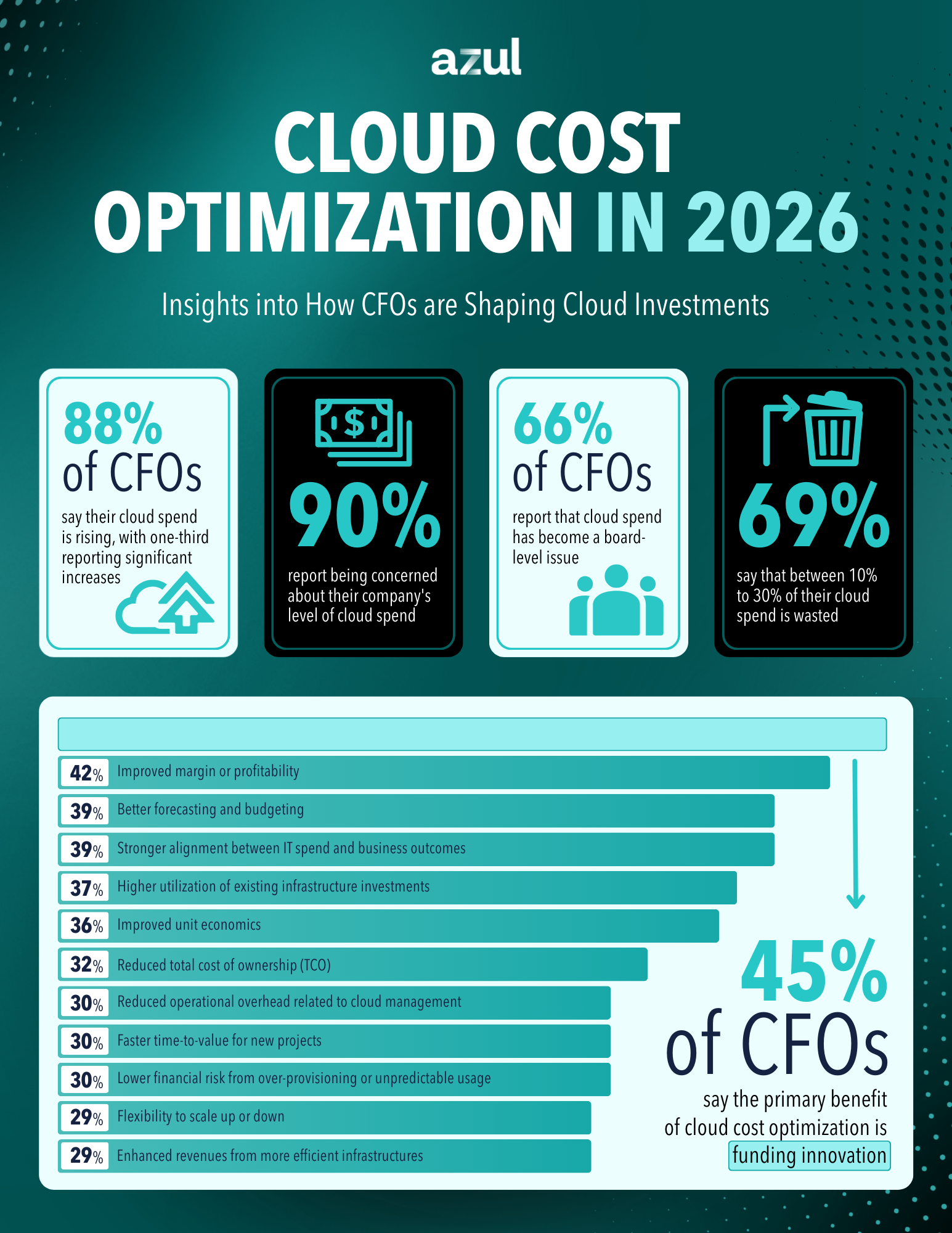
Governing Cloud Costs in 2026
Interrupting services is far more destructive, noticeable, and brand-impacting. Structures like NERC CIP, NIST CSF, and ISA/IEC 62443 remain important.
As AI-driven attack tools make the threat landscape more unstable, the gap between being certified and being resistant is broadening. True management means understanding your threat posture at 2:00 PM on a Tuesday, not just throughout an annual review.

This suggests preserving a live, automated asset stock and using keeping track of tool's function built for industrial procedures, not simply repurposed IT software application. When your operations, legal, and security groups share the same source of truth, you move from responding to managing.
A Long-Term Roadmap to Enterprise IT Management
If your supplier's governance consists of a one-time questionnaire signed 3 years ago, you have a blind area the size of your whole network. Real strength requires a living understanding of who has gain access to, what privileges they hold, and how their security moves impact your stability. Your environment isn't surrounding to your threat; it is an essential part of it.
They didn't wait on a breach to construct a cross-functional action team. They developed recovery muscle memory through continuous, iterative practice. We are going into a period defined by systemic danger and increasing regulatory pressure for openness. The leaders who will thrive aren't always the ones with the biggest budget plans, however the ones who recognize that digital governance is now a pillar of public trust.
By syncing security data with functional uptime requirements, organizations can change risk from a hidden liability into a handled property. Usage continuous governance to proactively manage supplier vulnerabilities and develop the organizational muscle memory needed to deal with emerging threats head-on.

Latest Posts
Top Tips for Strategic Resource Management in 2026
Refining Cloud Resource Allocation Frameworks
Achieving Optimal Asset Performance for 2026